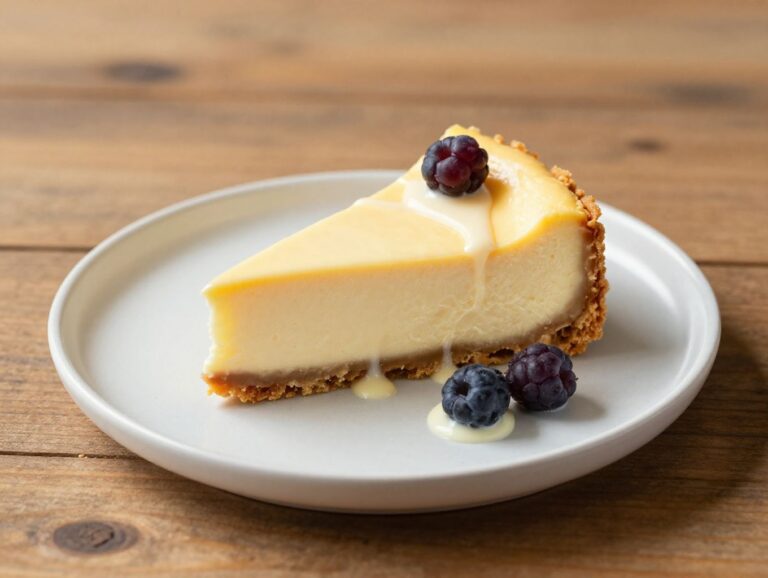
Cheesecake Recipe with a Graham Cracker Crust That’s Heavenly
Introduction
Do you crave a dessert that feels both indulgent and comforting? This cheesecake recipe with a graham cracker crust delivers a silky texture paired with a buttery base that melts in your mouth. Whether you are celebrating a birthday or simply treating yourself, the classic flavor profile makes it a go‑to choice for any occasion.
The blend of cream cheese, sour cream, and vanilla creates a rich, smooth filling, while the crumbly crust adds a pleasant crunch. You will find the steps easy to follow, and the results consistently impressive. Let’s explore how to create this timeless dessert that will become a staple in your kitchen.
Ready to impress family and friends with a dessert that looks as good as it tastes? Follow this guide and discover why this cheesecake recipe with a graham cracker crust is celebrated by home bakers everywhere.
Ingredients List
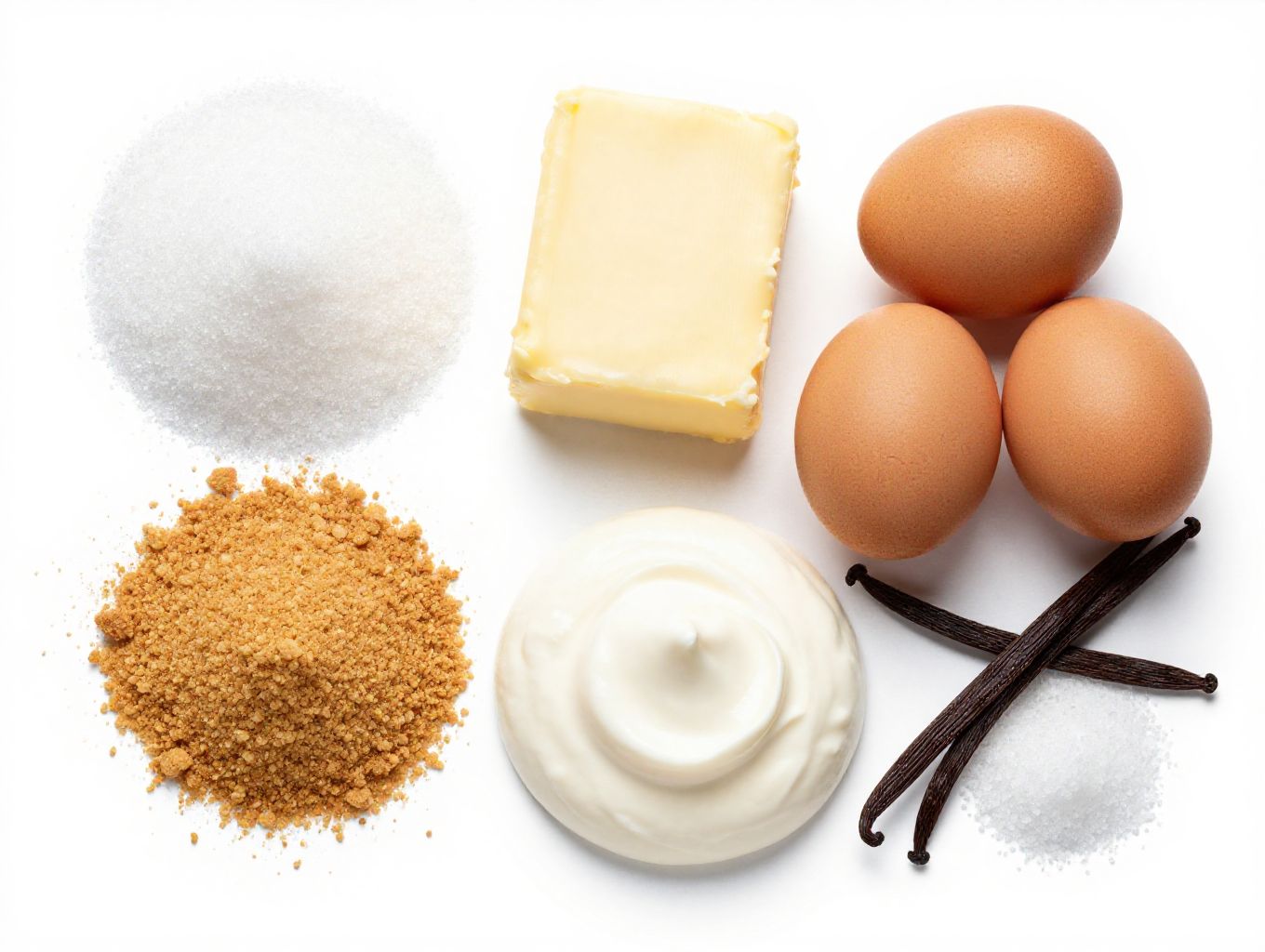
- 1 ½ cups graham cracker crumbs (170g) – provides the buttery base; you can substitute crushed digestive biscuits.
- 2 tablespoons granulated sugar – adds a hint of sweetness to the crust; coconut sugar works as a natural alternative.
- 7 tablespoons unsalted butter, melted – binds the crust; use clarified butter for a richer flavor.
- 32 oz cream cheese, softened to room temperature – creates the creamy filling; try a low‑fat version for fewer calories.
- 1 cup sugar (200g) – sweetens the batter; substitute with maple syrup for a subtle caramel note.
- ¾ cup sour cream (160g) – adds moisture and tang; Greek yogurt can be used for a protein boost.
- 1 ½ teaspoons vanilla extract – enhances aroma; almond extract works for a nutty twist.
- Pinch of salt – balances sweetness; sea salt flakes can add a delicate crunch.
- 4 large eggs, room temperature – gives structure; substitute with egg‑white only for lower cholesterol.
Timing
Prep time: 20 min
Cook time: 1 hour
Total time: 1h 20 min
Step‑by‑Step Instructions
Step 1: Preheat the oven
Set your oven to 350°F (175°C). Allow the oven to reach the temperature before you begin assembling the crust.
Step 2: Prepare the crust
Combine the graham cracker crumbs, sugar, and melted butter in a mixing bowl until evenly mixed. Press this mixture firmly into the bottom and slightly up the sides of a 9‑inch springform pan to create the crust.
Step 3: Beat the cream cheese
In a large mixing bowl, beat the cream cheese until smooth and creamy, making sure not to overbeat. This creates a stable base for the filling.
Step 4: Add sugar to the batter
Gradually add in the sugar and continue mixing to combine. The mixture will become light and fluffy.
Step 5: Incorporate sour cream and flavorings
Add the sour cream, vanilla extract, and salt, mixing until just blended. The batter should remain silky.
Step 6: Add the eggs
With the mixer on low, add the eggs one at a time, mixing just until incorporated after each addition. Overmixing can cause cracks later.
Step 7: Transfer batter to crust
Pour the cheesecake batter into the prepared crust, smoothing the top with a spatula. A flat surface ensures even baking.
Step 8: Bake the cheesecake
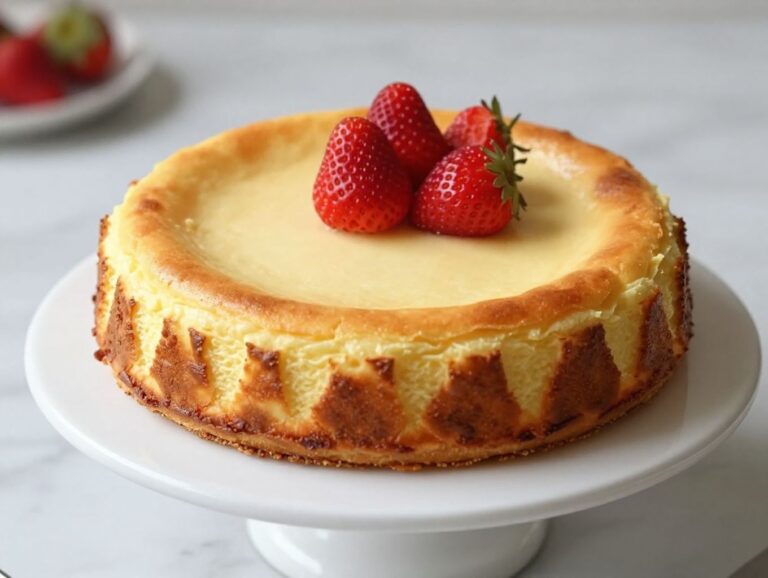
Bake in the preheated oven for 60 minutes or until the edges are set but the center is slightly wobbly. This gentle bake keeps the texture creamy.
Step 9: Rest in the oven
Turn off the oven and leave the cheesecake inside for an hour with the oven door slightly ajar. The residual heat prevents sudden cooling that can cause cracks.
Step 10: Cool and refrigerate
After cooling, remove from the oven and let cool to room temperature before refrigerating for at least 6 hours, or preferably overnight. Chilling firms the filling.
Step 11: Serve
Once chilled, remove the springform pan collar and slice to serve. Enjoy your delicious cheesecake!
Nutritional Information
Per serving (1 slice) the classic cheesecake with graham cracker crust provides the following approximate values:
- Calories: 492
- Carbohydrates: 31.58 g
- Protein: 7.74 g
- Fat: 38.04 g
- Saturated Fat: 16.68 g
- Trans Fat: 0.12 g
- Cholesterol: 105 mg
- Sodium: 377 mg
- Sugar: 21.23 g
- Unsaturated Fat: 21.23 g
Nutrition Information Source: Nutrition values are calculated per serving using data from USDA FoodData Central, the official U.S. government database for food composition. Values are approximate and may vary based on specific brands and preparation methods.
Healthier Alternatives for the Recipe
If you are looking to lighten the dessert without sacrificing flavor, consider these swaps:
- Replace half of the cream cheese with low‑fat ricotta for reduced fat and added protein.
- Use a sugar substitute such as erythritol to cut down on added sugars.
- Swap butter in the crust with a blend of coconut oil and a tablespoon of Greek yogurt for healthier fats.
- Incorporate a handful of finely chopped nuts into the crust for extra texture and omega‑3 fatty acids.
Serving Suggestions
Presenting your cheesecake can elevate the entire experience. Here are a few ideas:
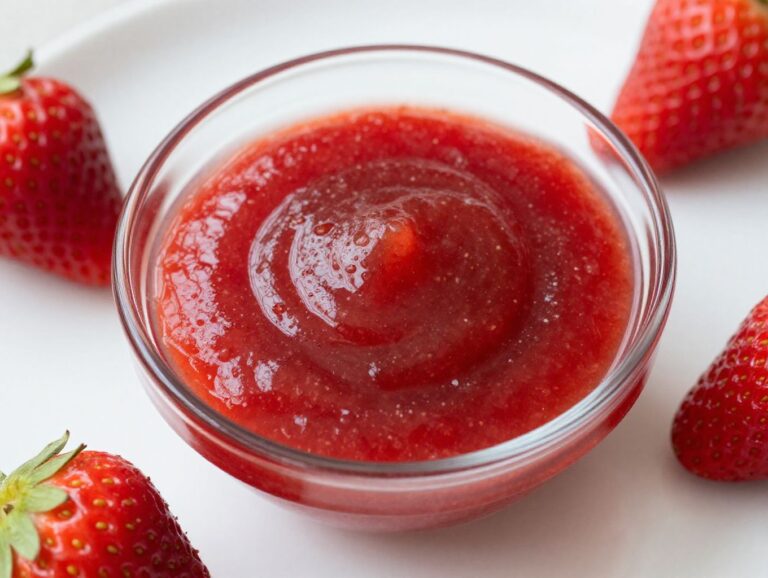
- Top each slice with a drizzle of fresh berry coulis for a bright, tangy contrast.
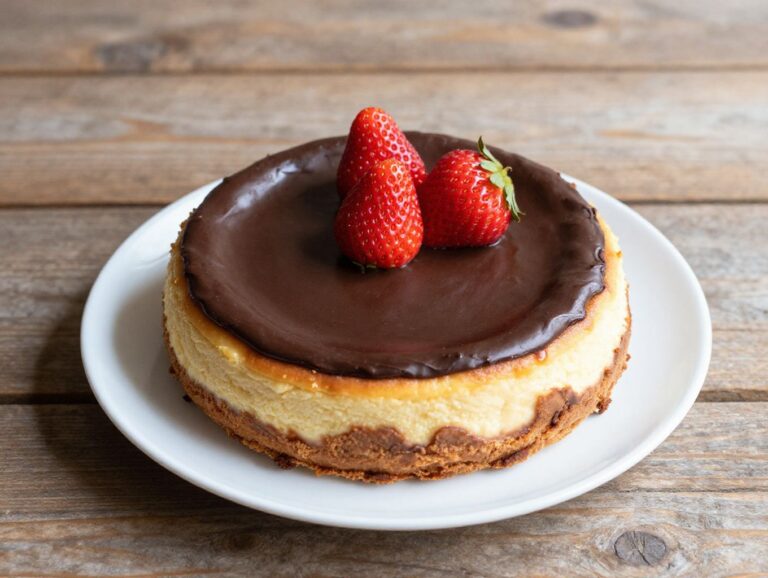
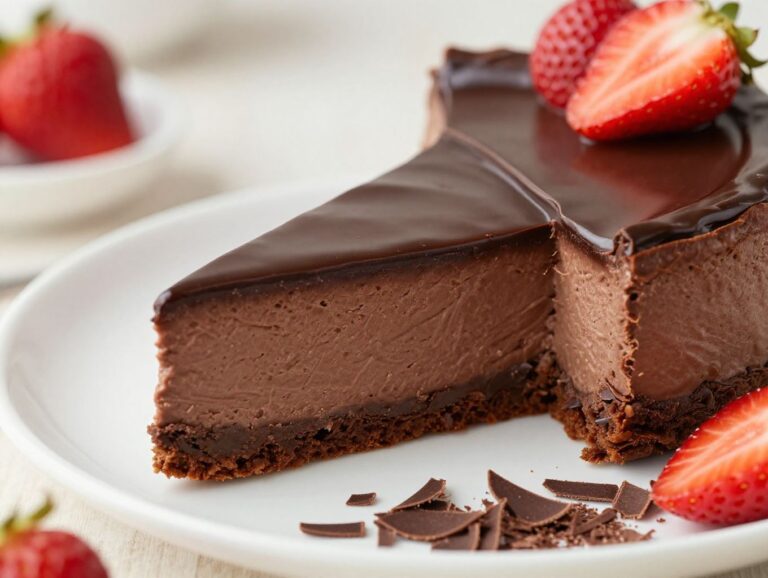
- Garnish with a dusting of cocoa powder and shaved dark chocolate for a sophisticated look.
- Serve alongside a dollop of whipped coconut cream for a dairy‑free option.
- Pair with a glass of chilled dessert wine or a cup of fresh espresso for a perfect finish.
Common Mistakes to Avoid
- Overmixing the batter – this can incorporate too much air and cause cracks during baking.
- Using cold eggs – room temperature eggs blend more evenly and help maintain a smooth texture.
- Opening the oven door early – sudden temperature changes often lead to a cracked surface.
- Skipping the cooling hour in the oven – the gradual temperature drop prevents a dense, uneven crumb.
Storing Tips for the Recipe
- Cover the chilled cheesecake with plastic wrap to prevent it from absorbing fridge odors.
- Store for up to four days in the refrigerator; keep slices on a plate rather than in a container to maintain crust crispness.
- For longer storage, freeze individual slices wrapped tightly in foil and a freezer bag; thaw in the refrigerator overnight before serving.
- Reheat gently in a microwave for 10‑15 seconds if you prefer a slightly softer texture before serving.
Conclusion
This cheesecake recipe with a graham cracker crust balances simplicity with indulgence, making it ideal for both beginner bakers and seasoned chefs. By following the step‑by‑step instructions, you will achieve a smooth, velvety filling atop a buttery, golden crust.
Feel free to experiment with the healthier alternatives or serving ideas to suit your dietary needs and personal taste. The classic cheesecake remains a beloved dessert, and with this guide, you can recreate it confidently at home.
Ready to bake? Grab your ingredients, preheat the oven, and enjoy the process of creating a heavenly dessert that will delight every palate.
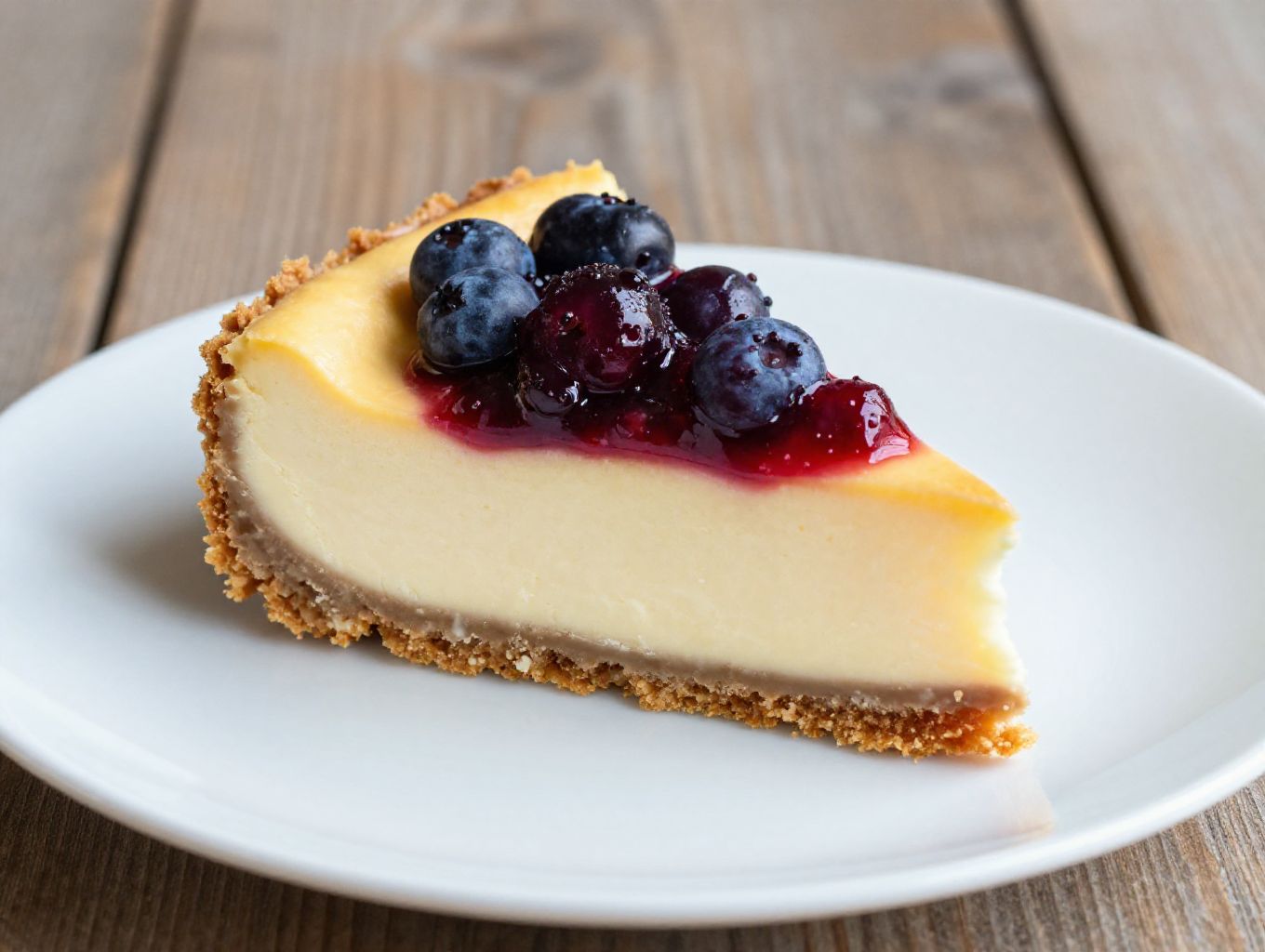
Classic Cheesecake with Graham Cracker Crust
Ingredients
Method
- Preheat your oven to 350°F (175°C).
- Combine the graham cracker crumbs, sugar, and melted butter in a mixing bowl until evenly mixed. Press this mixture firmly into the bottom and slightly up the sides of a 9-inch springform pan to create the crust.
- In a large mixing bowl, beat the cream cheese until smooth and creamy, making sure not to overbeat.
- Gradually add in the sugar and continue mixing to combine.
- Add the sour cream, vanilla extract, and salt, mixing until just blended.
- With the mixer on low, add the eggs one at a time, mixing just until incorporated after each addition.
- Pour the cheesecake batter into the prepared crust, smoothing the top with a spatula.
- Bake in the preheated oven for 60 minutes or until the edges are set but the center is slightly wobbly.
- Turn off the oven and leave the cheesecake inside for an hour with the oven door slightly ajar.
- After cooling, remove from the oven and let cool to room temperature before refrigerating for at least 6 hours, or preferably overnight.
- Once chilled, remove the springform pan collar and slice to serve. Enjoy your delicious cheesecake!
Notes
FAQs
Can I make this cheesecake ahead of time?
Yes, the cheesecake can be prepared up to a day in advance; keep it refrigerated and cover tightly.
What type of pan works best for this recipe?
A 9‑inch springform pan provides the ideal shape and makes removal easy after chilling.
How do I prevent cracks on the surface?
Follow the baking and cooling steps precisely, especially the hour‑long rest in a slightly open oven.
Can I use a different crust, like chocolate cookie crumbs?
Absolutely, substitute the graham cracker crumbs with chocolate wafer crumbs for a richer base.
What is the history of cheesecake?
Cheesecake has ancient roots, evolving from simple cheese‑based desserts in Greece to the modern classic we enjoy today. Learn more about the history of cheesecake.