Recipe How to Make Cake Pops: Easy and Fun Treats
Introduction
Do you ever wonder how to turn a simple vanilla cake into bite‑size delights that melt in your mouth? The answer lies in mastering the recipe how to make cake pops, a fun and easy technique that anyone can try. With just a few pantry staples, you can create homemade cake pops that look as good as they taste. This guide walks you through every step, from mixing the batter to decorating the final chocolate coating.
Whether you’re planning a birthday party, a holiday gathering, or a casual snack, these cake pops are perfect for any occasion. The combination of moist vanilla cake, creamy frosting, and a glossy chocolate shell makes each bite unforgettable. Let’s dive into the world of cake pops and discover how to make them with confidence.
Using fresh, high‑quality ingredients makes a noticeable difference in the final texture and flavor of your cake pops. When you follow this recipe how to make cake pops, you’ll notice a richer vanilla aroma and a smoother coating.
Ingredients List
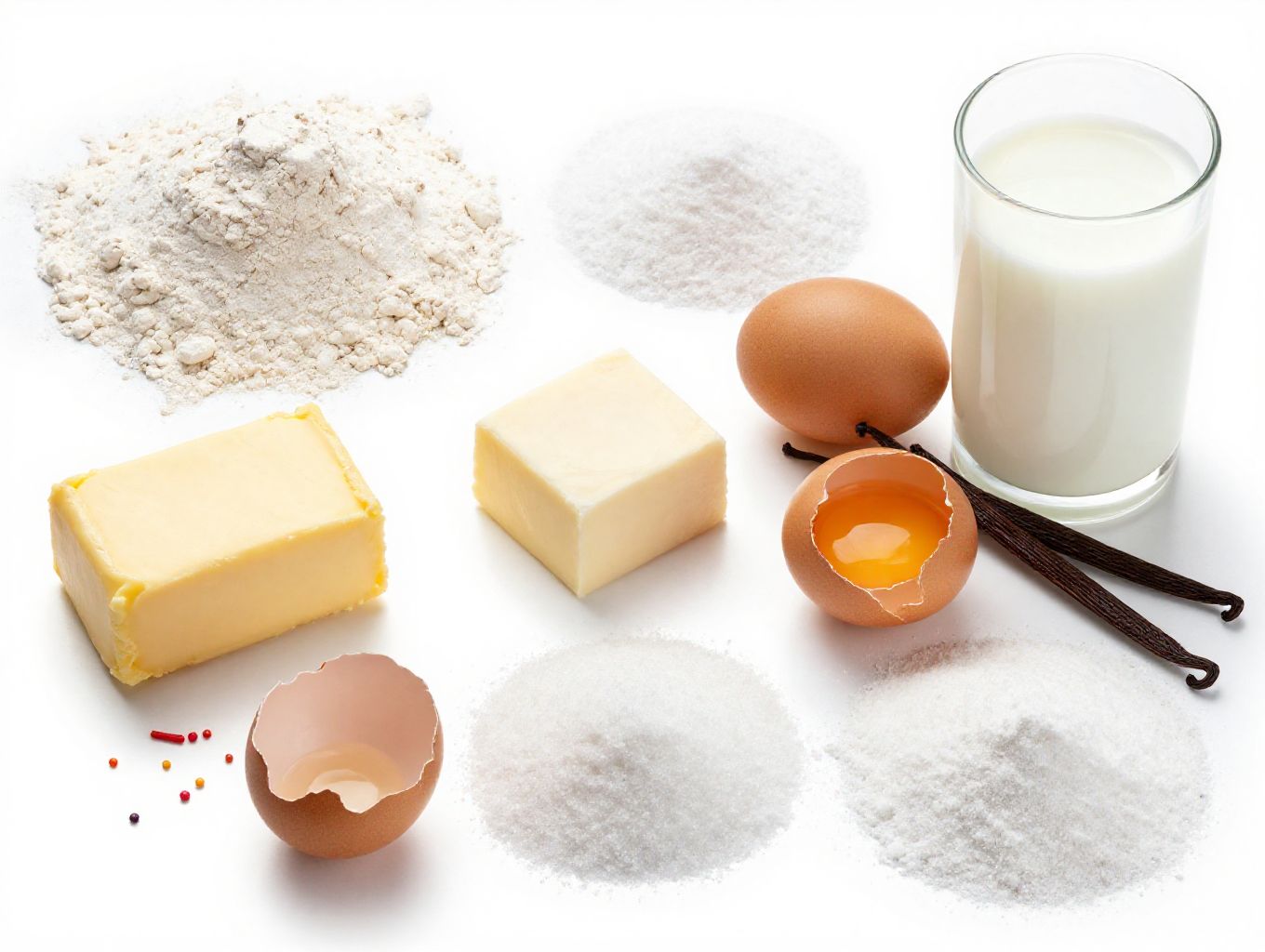
- 1 and 2/3 cups (209g) all‑purpose flour – provides structure; you can substitute with gluten‑free flour blend if needed.
- 1/2 teaspoon baking powder – helps the cake rise; cream of tartar can be used as a substitute.
- 1/4 teaspoon baking soda – adds lightness; omit if using self‑rising flour.
- 1/2 teaspoon salt – balances sweetness; low‑sodium salt works as an alternative.
- 1/2 cup (113g) unsalted butter, softened – creates richness; use margarine for a dairy‑free version.
- 1 cup (200g) granulated sugar – sweetens the batter; coconut sugar adds a subtle caramel note.
- 1 large egg, at room temperature – binds ingredients; a flax egg works for vegans.
- 2 teaspoons pure vanilla extract – gives flavor depth; vanilla bean paste is a premium option.
- 1 cup (240ml) whole milk – adds moisture; almond or oat milk can replace dairy.
- 1 and 3/4 cups (210g) confectioners’ sugar – sweetens the frosting; powdered erythritol works for lower carbs.
- 2 teaspoons vanilla extract – enhances frosting flavor; use the same vanilla as in the batter.
- 24 ounces (678g) candy melts – creates the chocolate coating; dark or white melts can change the look.
- Sprinkles – add a festive touch; crushed nuts or toasted coconut are tasty alternatives.
All ingredients are measured for accuracy, but feel free to adjust sweetness or flavor intensity to suit your taste. This flexibility is part of what makes the recipe how to make cake pops so adaptable.
Timing
This recipe how to make cake pops requires a total of 2 hours and 36 minutes. You’ll spend 2 hours on prep, which includes mixing, baking, cooling, and shaping the cake balls. The bake time is 36 minutes, and the final chilling step adds another 2 hours. Planning ahead ensures the chocolate coating sets perfectly.
When you schedule each stage, you’ll find the process smooth and enjoyable. The prep time also gives you a chance to experiment with different sprinkles or fillings, making each batch unique.
Step‑By‑Step Instructions
Step 1: Prepare the Pan and Oven
Preheat your oven to 350°F (177°C) and grease a 9‑inch springform pan. This temperature creates a golden crumb that holds together well when crumbled later. A well‑greased pan prevents sticking, which is essential for the recipe how to make cake pops success.
Step 2: Combine Dry Ingredients
In a medium bowl, whisk together the flour, baking powder, baking soda, and salt. This ensures even distribution of leavening agents for a uniform rise. Proper mixing at this stage contributes to the light texture of your cake pops.
Step 3: Cream Butter and Sugar
In a large bowl, beat the butter and sugar until creamy, then add the egg and vanilla, mixing until combined. Creaming incorporates air, giving the cake a light texture. This step is a cornerstone of the recipe how to make cake pops and sets the foundation for moist cake balls.
Step 4: Incorporate Wet and Dry Mixes
Gradually mix in the dry ingredients and milk until just combined. Over‑mixing can make the cake dense, so stop as soon as the batter looks smooth. The gentle fold keeps the crumb tender, ideal for shaping.
Step 5: Bake the Cake
Spread the batter evenly in the prepared pan and bake for 30‑36 minutes, or until a toothpick comes out clean. The cake should be lightly golden on top. Baking to the right doneness ensures the cake is firm enough to crumble without being dry.
Step 6: Cool and Crumble
Once cooled, crumble the cake into a large bowl. This creates fine crumbs that will bind with the frosting. The crumb size influences how well the balls hold together, a key factor in the recipe how to make cake pops.
Step 7: Add Buttercream
Mix in the buttercream until the mixture is sticky but not completely smooth. The frosting acts as the glue for shaping the cake balls. Adjust the amount of frosting if the mixture feels too dry or too wet.
Step 8: Form Cake Balls
Roll the mixture into 36 balls and place them on a lined baking sheet. Chill for 2 hours to firm up the balls before inserting sticks. Chilling solidifies the structure, making it easier to dip later.
Step 9: Prepare the Sticks
Melt the candy melts in intervals, stirring until smooth. Dip the end of each lollipop stick into the melts, then insert it into each cake ball. This step secures the stick and prevents it from slipping out.
Step 10: Coat the Pops
Dip each ball into the melted coating until fully covered, sprinkle on toppings while wet, and allow to set on a styrofoam block. The coating should harden within minutes. The final dip gives the cake pops their signature glossy finish, completing the recipe how to make cake pops.
Following each of these steps ensures consistent results, whether you’re making a small batch for a party or a large batch for a fundraiser.
Nutritional Information
Each serving (1 cake pop) provides 247 calories, 10.77 g carbohydrate, 1.45 g protein, and 22.08 g fat. Saturated fat is 2.62 g, trans fat is 0 g, cholesterol is 8 mg, sodium is 25 mg, and sugar is 5.50 g. Unsaturated fat totals 19.45 g.
Nutrition Information Source: Nutrition values are calculated per serving using data from USDA FoodData Central, the official U.S. government database for food composition. Values are approximate and may vary based on specific brands and preparation methods.
Even though cake pops are a treat, the protein and healthy fats from the butter and candy melts provide a modest energy boost. Enjoy them as part of a balanced diet.
Healthier Alternatives for the Recipe
- Swap whole milk for low‑fat or plant‑based milk to reduce saturated fat.
- Use a sugar substitute like stevia or erythritol in the frosting for lower sugar.
- Choose dark chocolate candy melts with at least 70% cocoa for added antioxidants.
- Add finely chopped nuts to the cake balls for extra protein and healthy fats.
- Replace butter with a light spread or avocado puree for a lower‑calorie option.
- Incorporate oat flour for added fiber while keeping the texture light.
- Use Greek yogurt in the batter to increase protein without altering flavor.
- Reduce the amount of candy melts and finish with a thin dusting of cocoa powder.
These tweaks keep the spirit of the recipe how to make cake pops while making them a bit more nutritious. Feel free to combine several suggestions for a custom version.
Serving Suggestions
- Arrange cake pops on a decorative platter for a party centerpiece.
- Pair with a glass of cold milk or a cup of coffee for a sweet snack.
- Use themed sprinkles to match holidays, such as red and green for Christmas.
- Insert decorative sticks with ribbons for a personalized gift.
- Serve chilled for a firmer bite, or at room temperature for a softer texture.
- Place pops in a cupcake liner for easy individual serving.
- Combine vanilla cake pops with a drizzle of caramel for a gourmet twist.
- Offer a variety of coatings—white, dark, and pastel—to please all ages.
These ideas make the recipe how to make cake pops suitable for birthdays, weddings, or casual get‑togethers. Mix and match toppings to keep the presentation fresh.
Common Mistakes to Avoid
- Over‑mixing the batter, which can lead to a dense cake.
- Skipping the chilling step, resulting in fragile cake balls that crumble.
- Using stale candy melts, which may cause a grainy coating.
- Inserting sticks before the frosting is firm, causing the balls to fall apart.
- Leaving the coated pops uncovered for too long, leading to a soft shell.
- Not drying the sticks before dipping, which can create water pockets.
- Applying too much frosting, making the balls overly sweet.
- Using a low‑heat setting for the melt, which can cause uneven coating.
Avoiding these pitfalls ensures each pop looks polished and tastes great, reinforcing the reliability of this recipe how to make cake pops.
Storing Tips for the Recipe
- Store cake pops in an airtight container in the refrigerator for up to 5 days.
- Place a sheet of parchment paper between layers to prevent sticking.
- For longer storage, freeze the pops in a single layer, then transfer to a zip‑top bag for up to 2 months.
- Allow frozen pops to thaw at room temperature for 15 minutes before serving.
- Re‑dip any pops that lose their coating after storage for a fresh finish.
- Label containers with the date to track freshness.
- Keep pops away from strong‑smelling foods in the fridge to preserve flavor.
- When reheating, use a microwave for 5‑10 seconds to soften the coating.
Proper storage maintains the texture and flavor of your homemade cake pops, making the recipe how to make cake pops convenient for make‑ahead parties.
Conclusion
Now you have a complete recipe how to make cake pops that is both easy and fun. By following each step, you’ll create vanilla cake pops that impress friends and family alike. Experiment with flavors, coatings, and decorations to make each batch uniquely yours. Ready to start? Grab your ingredients, preheat the oven, and enjoy the sweet satisfaction of homemade cake pops.
Share your creations on social media and tag us for a chance to be featured. The more you practice, the better your recipe how to make cake pops will become.
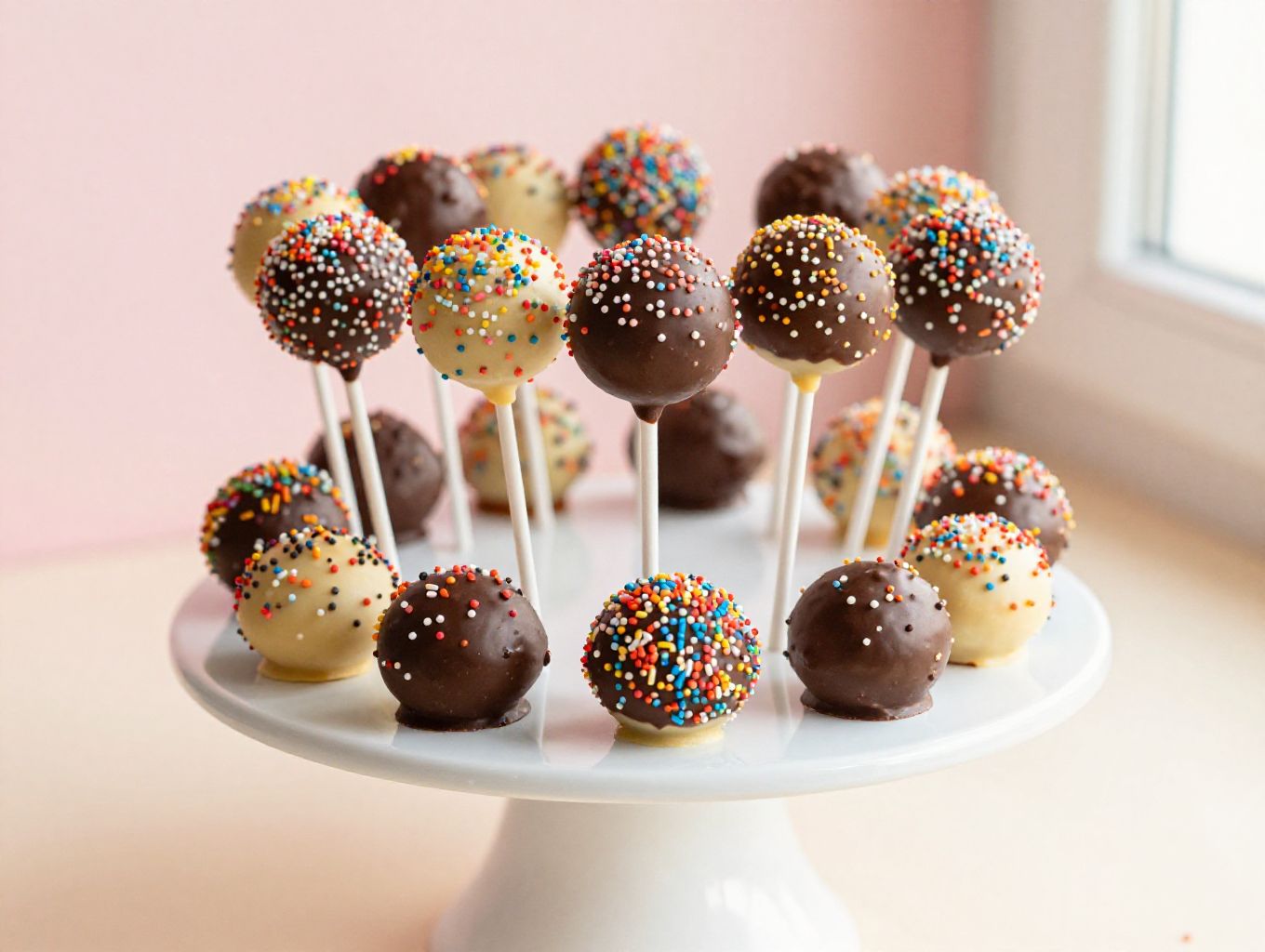
Delicious Homemade Cake Pops
Ingredients
Method
- Preheat your oven to 350°F (177°C) and grease a 9-inch springform pan.
- In a medium bowl, whisk together the flour, baking powder, baking soda, and salt. In a large bowl, beat the butter and sugar together until creamy, then add the egg and vanilla, mixing until combined.
- Gradually mix in the dry ingredients and milk until just combined. Spread the batter evenly in the prepared pan and bake for 30-36 minutes, or until a toothpick comes out clean.
- Once cooled, crumble the cake into a large bowl. Mix in the buttercream until the mixture is sticky but not completely smooth.
- Roll the mixture into 36 balls and place them on a lined baking sheet. Chill for 2 hours.
- Melt the candy melts in intervals, stirring until smooth. Dip the end of each lollipop stick into the melts, then insert it into each cake ball.
- Dip each ball into the melted coating until fully covered, sprinkle on toppings while wet, and allow to set on a styrofoam block.
Notes
FAQs
- Can I use a different flavor of cake for the pops? Yes, you can substitute the vanilla cake with chocolate, lemon, or red velvet for variety.
- How long does it take for the chocolate coating to set? The coating typically hardens within 5‑10 minutes at room temperature.
- Do I need a special tool to shape the cake balls? No special tools are required; simply use your hands and a spoon for consistency.
- What is the craft of cake decorating? the craft of cake decorating involves techniques like icing, fondant work, and decorative piping to enhance a cake’s appearance.
- How does cake decorating influence cake pop presentation? Creative piping and color choices can turn simple cake pops into eye‑catching treats, adding visual appeal to the recipe how to make cake pops.